This article explores how artificial intelligence is reshaping language learning apps, why it matters for learners in 2026, and how to combine AI tools with traditional study methods.
🕓Estimated reading time: 7 minutes
We spend every day reviewing language learning apps, platforms, and resources that students rely on to master new languages. Increasingly, those tools are weaving artificial intelligence into their core features, from adaptive conversation partners to real-time pronunciation feedback.
That’s why the evolution of AI-powered language learning feels like a natural moment for us to weigh in. It’s not just another tech trend; it connects directly to the future of the products we review and the way people learn languages. By looking at how AI is reshaping language acquisition right now, we can help learners cut through the noise and understand which developments actually work alongside trusted language learning resources.
AI and language technology have been remaking language education for years, from voice recognition software to gamified vocabulary drills. But 2026 marks a turning point where AI tutors can hold genuine conversations, provide instant feedback, and adapt to individual learning styles in ways that were impossible just a few years ago.
What AI Can Do For Language Learners In 2026
Artificial intelligence has moved beyond simple flashcard apps and phrase repetition. Modern AI language tools can now serve as conversational partners, offering learners the chance to practice speaking without the pressure of a human tutor judging their mistakes.
Tools like ChatGPT, Claude, and specialized language learning AI can engage in natural dialogue, correct grammar in context, explain cultural nuances, and even simulate real-world scenarios like ordering food in a restaurant or negotiating a business deal. According to language educators, this on-demand practice fills a critical gap for learners who don’t have access to native speakers.
The Rise Of AI Conversation Partners
One of the biggest advantages AI brings to language learning is unlimited conversation practice. Traditional language apps like Duolingo and Babbel excel at structured lessons, but they can’t replicate the spontaneity of real conversation.
Language learners in 2026 are increasingly using AI chatbots to practice speaking and writing in their target language. These tools offer several key benefits:
24/7 availability: You can practice Spanish at 2 AM or German during your lunch break. No scheduling required.
Patient correction: AI tutors don’t get frustrated when you make the same mistake repeatedly, and they can explain grammar rules as many times as you need.
Personalized difficulty: AI can adjust its vocabulary and complexity based on your level, ensuring you’re challenged but not overwhelmed.
Low-pressure environment: Many learners feel embarrassed speaking a new language with native speakers. AI removes that social anxiety.
Real-World AI Tools For Language Learning
Several AI platforms have emerged as particularly effective for language learning in 2026:
1. ChatGPT For Language Practice
Many learners use ChatGPT (or similar large language models) as a free conversation partner. You can ask it to chat with you entirely in French, correct your Spanish grammar, or explain the difference between Italian verb tenses. The key advantage is flexibility-you can direct the conversation to topics that interest you, whether that’s cooking, sports, or politics.
2. Specialized Language AI Tutors
Purpose-built language learning AI tools have also gained traction. These platforms combine conversational AI with structured curricula, offering the best of both worlds. They typically include features like pronunciation analysis, contextual vocabulary building, and progress tracking that general-purpose AI tools lack.
3. AI-Enhanced Traditional Apps
Established language learning platforms are rapidly integrating AI features. Apps for learning Spanish likeBabbel andRocket Languages now offer AI conversation practice alongside their traditional lessons, creating a more comprehensive learning experience.
The Limitations Of AI Language Learning
Despite the impressive capabilities of AI language tutors, they’re not a complete replacement for human interaction and traditional study methods. Here are the key limitations to keep in mind:
Cultural Context And Nuance
While AI can explain idioms and cultural references, it can’t fully replicate the lived experience of using a language in its cultural context. Real conversations with native speakers involve body language, cultural assumptions, and social cues that AI struggles to convey.
Pronunciation Feedback Quality
AI pronunciation tools have improved dramatically, but they still lag behind human feedback. A native speaker can hear subtle differences in accent and intonation that current AI systems might miss. For languages with tonal distinctions (like Mandarin Chinese), this limitation is particularly significant.
Motivation And Accountability
AI tutors don’t provide the same accountability as a human teacher or language exchange partner. It’s easy to skip practice sessions or ignore corrections when there’s no social obligation involved. Many learners find that combining AI practice with human interaction provides the structure they need to stay motivated.
How Educators View AI In Language Learning
Language teachers and instructors have mixed but increasingly optimistic views about AI’s role in education. A recent survey of language educators found that 67% see AI as a valuable supplementary tool, while only 18% view it as a threat to traditional teaching methods.
As one Greek language instructor in South Korea noted, AI enables students to practice between lessons, reinforcing what they’ve learned in class. The key is positioning AI as a practice partner rather than a replacement for structured instruction and human cultural immersion.
Best Practices For Using AI Language Tools
If you’re considering using AI to supplement your language learning, here are some evidence-based strategies to maximize your results:
1. Combine AI With Structured Learning
Don’t rely solely on AI conversations. Use traditional language learning apps likeBabbel or Rocket Languages to build foundational grammar and vocabulary, then practice applying those concepts with AI conversation partners.
2. Set Specific Goals For AI Sessions
Instead of aimless chatting, approach AI practice with clear objectives. You might decide to practice ordering food, discussing your weekend plans, or explaining your job-all scenarios you’re likely to encounter in real life.
3. Request Corrections In Real Time
Many AI tools won’t correct you unless you ask. Explicitly request that the AI point out grammar mistakes, suggest better word choices, or explain why a particular phrase sounds unnatural.
4. Use AI To Fill Knowledge Gaps
When you encounter a grammar concept or vocabulary word you don’t understand, AI can provide instant, personalized explanations. This is particularly useful when studying independently without immediate access to a teacher.
5. Supplement With Human Interaction
Even the best AI can’t fully replace conversations with native speakers. Use platforms like language exchange meetups, online tutoring services, or conversation partners to practice what you’ve learned with AI in real-world contexts.
AI Language Learning And Traditional Resources
AI language tools are most effective when paired with high-quality traditional resources. Here’s how they fit together with some of the language learning apps we review:
Pairing AI With Babbel
Our new Babbel Portuguese review highlights the app’s strength in structured, bite-sized lessons that build grammar systematically. Use Babbel to learn new concepts, then practice them in natural conversation with AI. This combination gives you both the structure of formal instruction and the flexibility of conversational practice.
Complementing Rocket Languages With AI
As noted in ourRocket Languages review, Rocket offers comprehensive audio lessons and cultural insights. AI conversation practice can reinforce the phrases and patterns you learn in Rocket’s interactive audio lessons, giving you additional repetition in varied contexts.
Using AI Alongside Pimsleur
Pimsleur’s audio-focused method emphasizes listening and speaking from day one. After completing Pimsleur lessons, you can use AI to practice similar conversational patterns with more variety and spontaneity than the structured audio allows. Historically known for its audio-first method, it now blends spaced repetition with adaptive speech recognition and AI-driven pronunciation feedback. The result is a more responsive learning loop – especially powerful for learners who want structured progression while still building conversational fluency. We break that down fully in our Pimsleur Spanish review.
Rosetta Stone
Rosetta Stone has also evolved well beyond its original immersion model. Across its Spanish, German, and other language courses, the platform now uses TruAccent speech recognition enhanced with AI tuning, helping learners refine accent and pronunciation in real time. It remains structured and visual, but no longer static. You can see how this plays out in our Rosetta Stone Spanish review, Rosetta Stone German review, and Rosetta Stone Russian review.
Talkpal And Lingopie
Then there are platforms built around AI from the ground up. Talkpal is a strong example of this shift. It positions itself as an AI conversation partner, allowing learners to simulate realistic dialogues, adjust tone and difficulty, and receive instant corrections. It effectively fills the real-time practice gap that many older apps lacked.
Lingopie, while slightly different in focus, uses AI to support contextual learning through real TV content and interactive subtitles. It blends entertainment with smart vocabulary reinforcement, creating a more immersive but still guided environment.
Babbel’s AI Partner
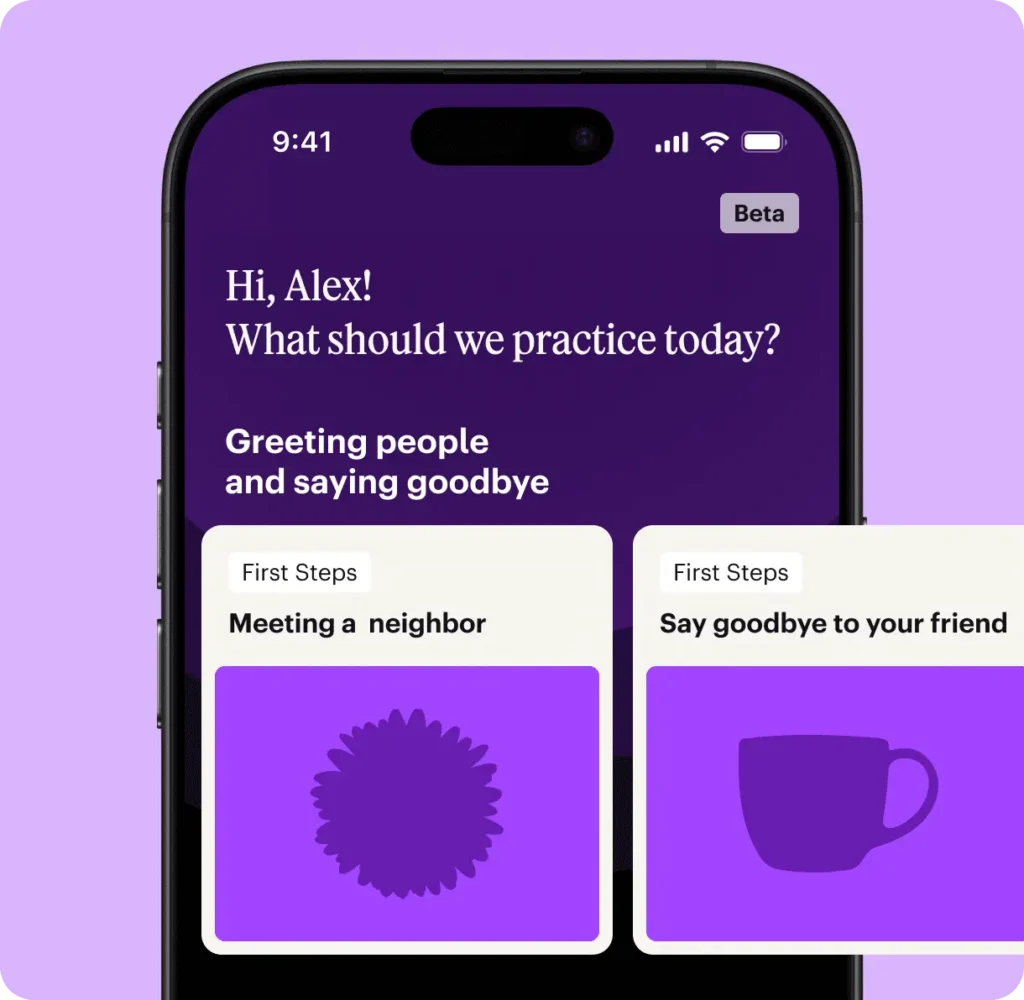
Even Babbel has expanded into AI-assisted speaking with Babbel Speak, offering AI-driven live conversation practice that complements its structured grammar lessons.
Babbel Speak – their new AI integration
The pattern across these platforms is clear. AI is no longer a marketing add-on. It is embedded into pronunciation scoring, lesson adaptation, speech simulation, and feedback loops. The real differentiation in 2026 is not who has AI, but how intelligently it is integrated into the learning system.
For learners, that means the choice is less about finding an app with AI, and more about choosing the right AI-powered learning style – structured and systematic like Pimsleur or Rosetta Stone, conversational and dynamic like Talkpal, or hybrid models like Babbel and Lingopie. And check our real human tutors with Lingoda and BaseLang.
The Future Of AI In Language Learning
Looking ahead, AI language learning tools are likely to become even more sophisticated. Emerging developments include:
VR and AR integration: Companies like Meta are exploring mixed-reality language learning experiences where AI tutors appear as virtual avatars in simulated real-world environments.
Emotional intelligence: Next-generation AI may be able to detect learner frustration or confusion through voice analysis and adjust its teaching approach accordingly.
Hyper-personalization: AI systems are getting better at remembering your past conversations, tracking your progress over time, and identifying exactly which grammatical concepts or vocabulary areas need more practice.
However, language education experts caution against viewing AI as a complete solution. The human elements of language learning-cultural understanding, emotional connection, and authentic communication-remain irreplaceable.
What This Means For Language Learners
For anyone learning a language in 2026, AI tools represent a significant advantage-but only if used strategically. The most successful learners are those who view AI as one tool among many, rather than a silver bullet.
Think of AI language tutors as supplementary practice partners that fill the gaps between formal lessons, textbook study, and real conversations with native speakers. They’re available anytime, infinitely patient, and can provide instant feedback-but they work best when combined with the structure of traditional language learning apps and the authenticity of human interaction.
Combining AI With Our Language Resources
At Test Prep Insight, we’ve spent years reviewing the most effective language learning platforms available. Here’s how AI tools fit into our recommended learning strategies:
Add AI for conversation practice: Once you’ve built a foundation, use AI chatbots to practice conversational skills in low-pressure scenarios.
Read our comparison guides: Check out detailed breakdowns like ourBabbel vs Rocket Languages comparison to choose apps that align with your learning style.
Supplement with human tutors: When possible, invest in occasional sessions with native speakers to practice pronunciation and cultural understanding.
By linking AI practice with expert-curated language learning resources, we aim to help learners build comprehensive language skills that go beyond what any single tool can provide.
Finally
For language learners in 2026, the key is integration. AI conversation partners can make practice more accessible, engaging, and personalized. But they are most effective when paired with high-quality structured courses, cultural immersion, and real human interaction.
Test Prep Insight will continue to monitor developments in AI language learning and update our reviews accordingly. In the meantime,explore our round up of the best language learning guides, check out our new Language Strategy Hub, experiment with AI conversation practice, and remember that lasting fluency comes from consistent practice across multiple methods, not shortcuts.